
Professional Pest Control vs. DIY: What Homeowners Should Know
You see a bug. You head to the store. There are approximately 47 bottles promising varying degrees of insect apocalypse. So which one do you buy?
For some minor pest problems, a DIY approach may be perfectly reasonable. For others, store-bought products can provide temporary relief while the actual infestation continues somewhere you can’t see.
The real question isn’t whether DIY pest control “works.” It’s when DIY makes sense and when professional pest control becomes the better option.
Can DIY Pest Control Work?
Yes. Homeowners can handle certain minor pest problems themselves, and preventive measures can be particularly effective. The EPA recommends actions such as eliminating food and water sources, fixing leaks, reducing clutter, sealing pest entry points, and properly storing food as part of household pest prevention.
Those aren’t small things. They’re foundational parts of pest management. For an occasional pest or very limited problem, properly selected and correctly used consumer pest control products may also help. But there are limitations.
The Biggest DIY Problem: Misidentifying the Pest
Successful pest control begins with knowing what you’re treating. Consider cockroaches: an American cockroach occasionally entering from outdoors is not the same pest-management problem as German cockroaches reproducing inside a kitchen. Treat them exactly the same way and you may get very different results.
The same problem occurs with ant species, rodents, pantry pests, flies, termites, and other wood-destroying insects. Professional technicians are trained to identify pest species, evidence, and conditions that homeowners may overlook.
More Pesticide Doesn’t Mean Better Pest Control
This is one of the most important DIY lessons: more isn’t better. The EPA specifically warns consumers not to assume that using twice as much pesticide will do twice the job, and instructs consumers to follow pesticide labels.
Pesticide labels specify where and how products can legally and safely be used. Using an outdoor product indoors, applying too much product, mixing products improperly, or applying something to a pest not listed on the label can create unnecessary risks.
Professional Pest Control Is More Than “Stronger Chemicals”
One misconception is that professionals simply have access to stronger versions of whatever is sitting on the hardware-store shelf. Professional pest management is much broader than that. A technician may use:
The product is only one tool. Knowing where, when, and why to use it is equally important. The EPA’s Integrated Pest Management principles similarly emphasize identifying and monitoring pests, prevention, and selecting appropriate control methods rather than automatically reaching for pesticides.
DIY Can Sometimes Make Pest Problems Harder
Some pests are particularly unforgiving of poorly planned treatment. Using the wrong treatment in the wrong location may fail to reach where pests are actually living. Treating visible insects without addressing hidden populations can create the appearance of success while the infestation continues. And repeatedly switching between products can make it difficult to determine what is actually working.
Bed bugs, German cockroaches, termites, and established rodent infestations are examples of problems where professional identification and a structured treatment plan can be especially valuable.
What About Bug Bombs and Foggers?
Seeing insects disappear into cracks makes it tempting to fill the entire room with pesticide. That’s rarely the sophistication people imagine it is. The EPA recommends targeted applications and says total-release foggers should be used only when necessary.
Pests frequently live in cracks, wall voids, appliances, and other protected areas. Putting pesticide everywhere isn’t the same thing as putting the right treatment in the right place.
DIY or Professional? Compare Your Situation
Here’s how to know which path fits what you’re dealing with:
DIY may be reasonable when:
- The pest has been positively identified
- Activity is minor or occasional
- There is no significant infestation
- The problem can be corrected through sanitation or exclusion
- You can safely follow all product-label instructions
- You’re comfortable handling it yourself
Call a professional when:
- You don’t know what pest you’re dealing with
- The problem keeps returning
- You’re seeing signs of an established infestation
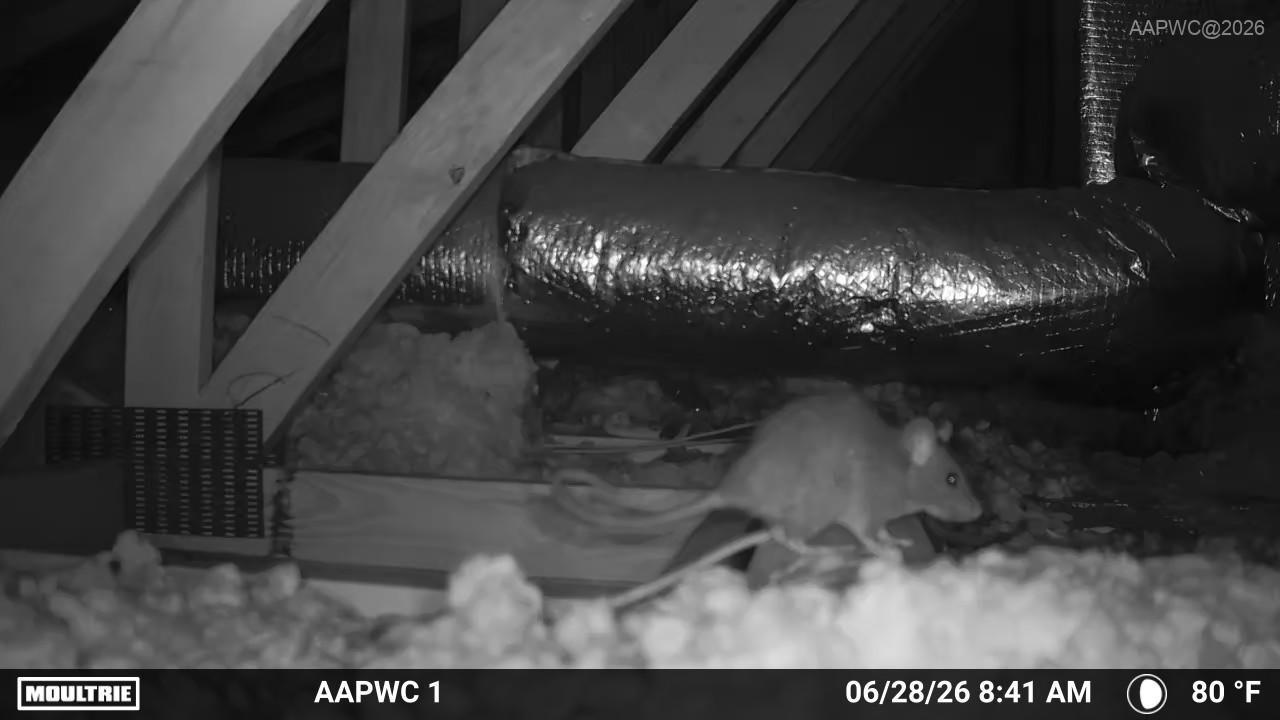
- Rodents are inside the structure
- You suspect termites or bed bugs
- DIY products haven’t solved the problem
There’s nothing wrong with DIY when DIY is appropriate. The EPA also recommends checking that pest control firms are properly licensed and considering companies experienced with Integrated Pest Management when you do decide to call one.
The Cost Question: DIY vs. Professional Pest Control
DIY usually wins on upfront cost. Professional pest control can win when you consider the entire problem. Buying several products, repeatedly treating the same areas, and replacing contaminated or damaged materials adds up quickly if the original problem isn’t being solved.
Professional service also provides something that’s difficult to purchase in a bottle: diagnosis. Knowing why the infestation exists can be just as valuable as knowing what product kills the pest.
Pest Control in Southeast Louisiana
Our environment puts considerable pressure on homes. Warm temperatures, high humidity, heavy rainfall, and long pest seasons mean we’re rarely dealing with a completely pest-free outdoor environment. The objective isn’t to sterilize your property — it’s to create an effective pest-management system around your home and respond appropriately when conditions change.
DIY or Professional? Start With the Problem
DIY pest control and professional pest control don’t have to be enemies. Homeowners play an enormous role in preventing pest problems through sanitation, moisture management, maintenance, and eliminating pest entry points. Professional pest control adds trained identification, monitoring, and targeted treatment when the problem requires it.
At All American Pest & Wildlife Control, we don’t believe every bug sighting requires DEFCON 1. But when pests keep coming back, you’re unsure what you’re dealing with, or the problem is bigger than what you’re seeing, that’s when having a professional take a closer look can make the difference.
Because the goal isn’t simply to kill the bug you found. It’s to understand why it was there in the first place.
Not Sure If This One’s a DIY Job?
If you’re second-guessing what you’re dealing with, that’s usually a good sign to get a professional opinion.