
Wildlife-proofing
Animal Exclusion in Slidell & Southeast Louisiana
Seal the gaps raccoons, squirrels, bats and rats use to get in, with materials built for Gulf Coast weather.
4.988 Google reviews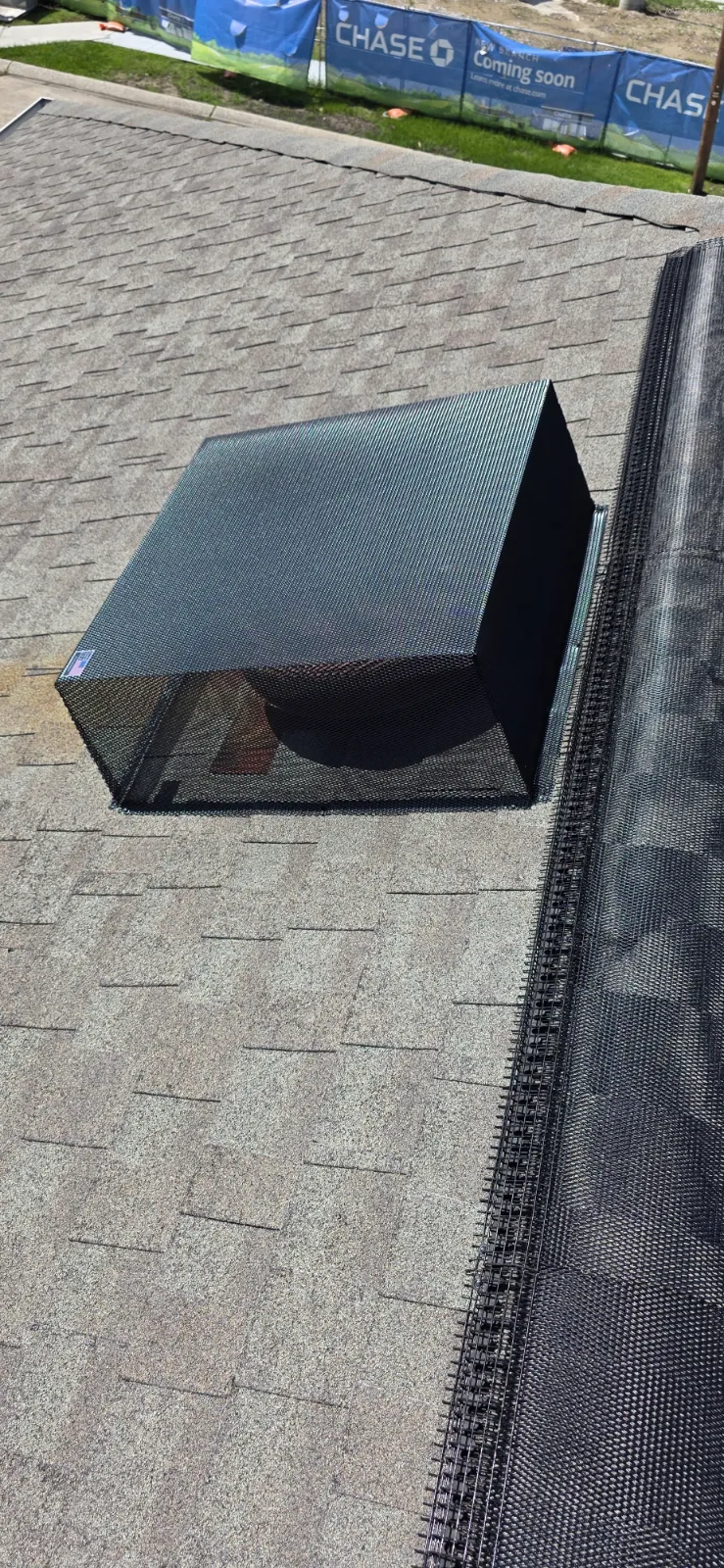
The problem
If It Got In Once, It'll Try Again
Wildlife and rodents remember how they got in, and they pass those routes on. Removing an animal without sealing the opening usually means another one moves in.
Exclusion closes the door for good. We inspect your whole home, rank every entry point by risk and seal them with professional-grade materials, then back it up with an annual protection plan.
Your home may need exclusion if
- You've had animals removed and they came back
- You hear activity in the attic again
- There are gaps around soffits, vents or AC lines
- Your home is raised with an open crawlspace
- Rats or mice keep showing up in the garage
ExclusionShield packages
Animal Exclusion Packages for Every Home
Every package starts with an inspection. The annual ExclusionShield protection plan keeps your coverage going year after year.
ExclusionShield Base
- Seals the primary active entry point or points
- Professional-grade materials
- Scope stated in your service plan
ExclusionShield Eagle Mode
- Maximum sealing coverage across the whole structure
- Advanced exclusion materials and methods
- Extended warranty options available
ExclusionShield Tactical
- Seals the active entry points
- Plus additional high-risk areas around the home
- Helps prevent future intrusion
Where we seal
The Gaps Animals Use Most
Rooflines & Soffits
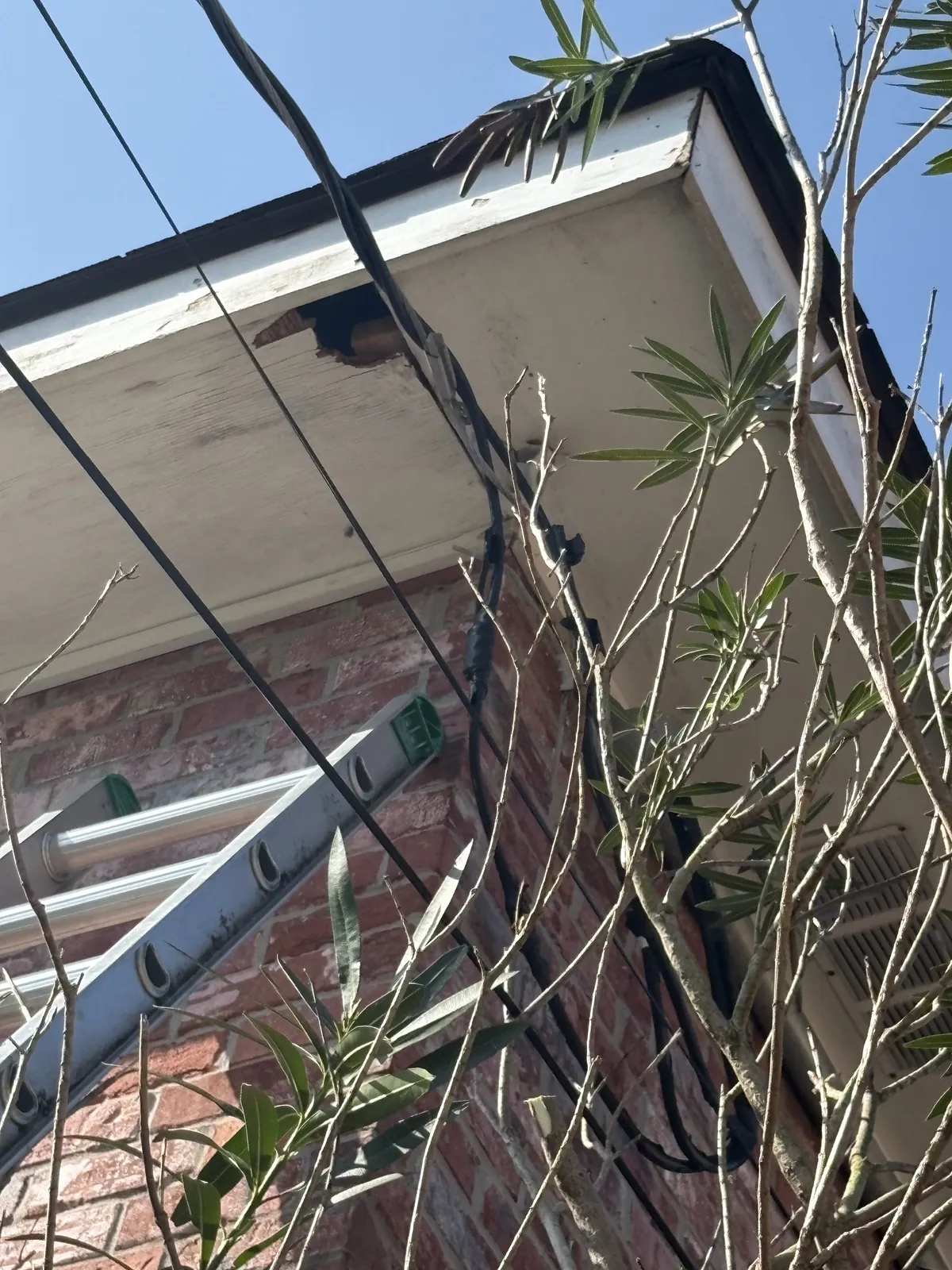
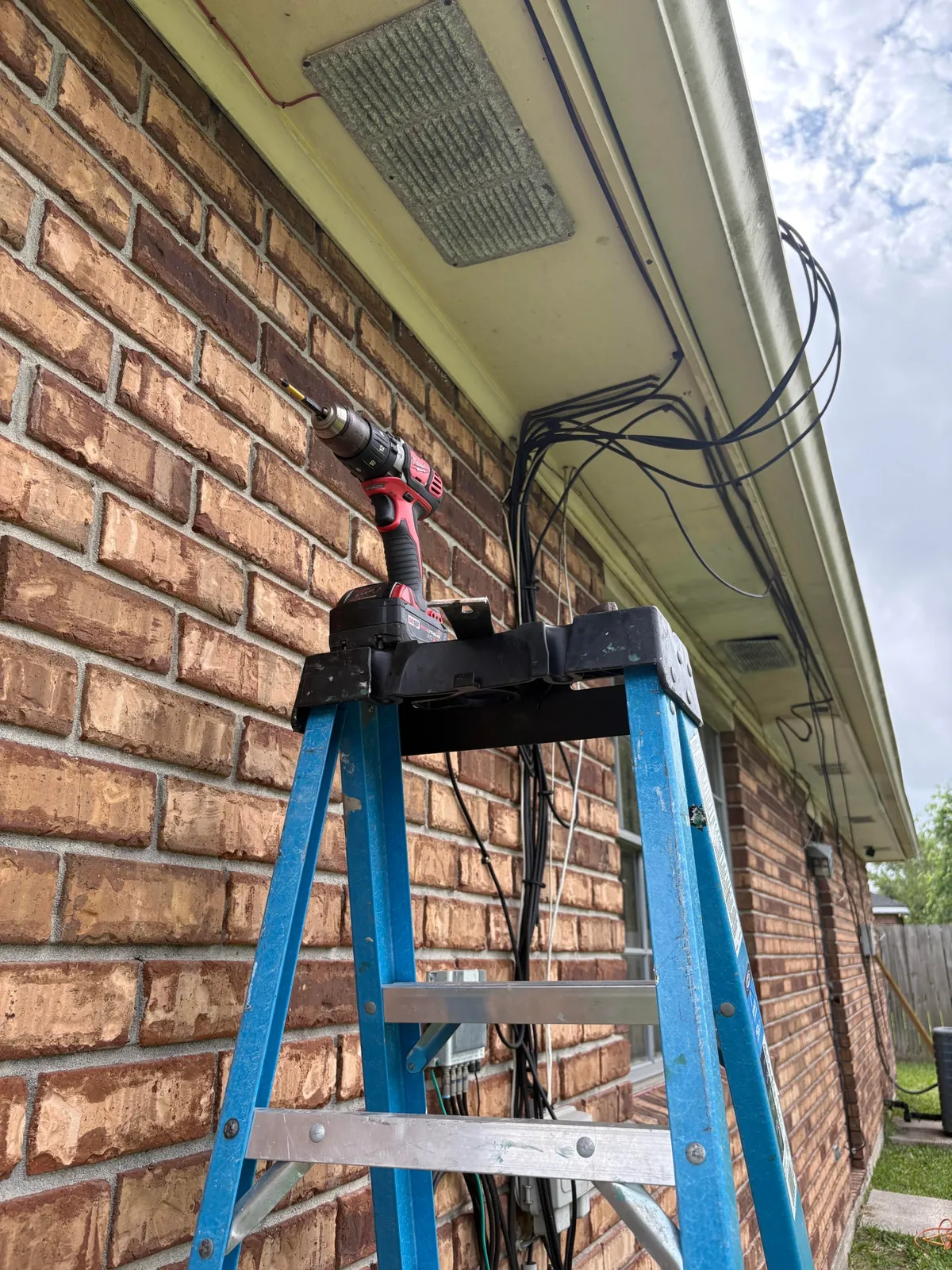
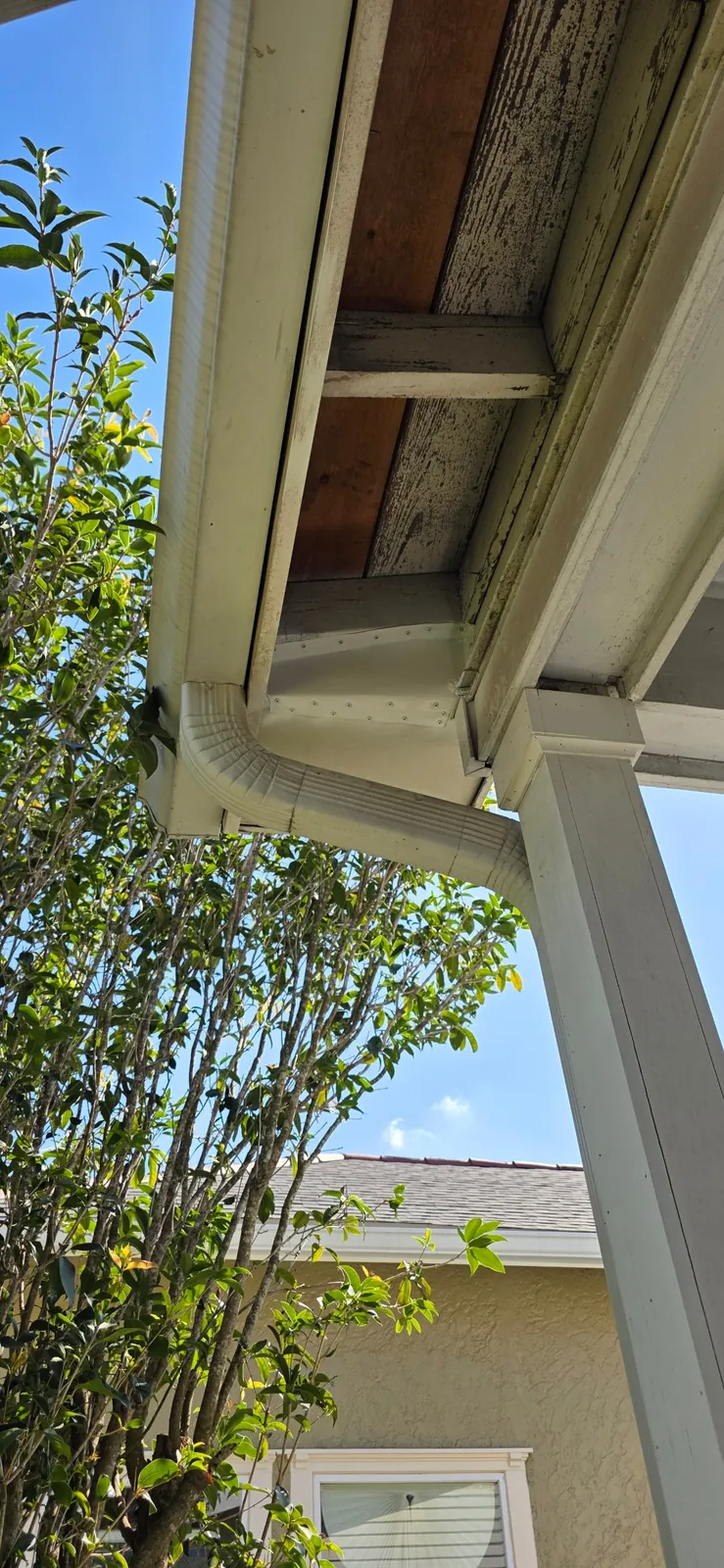
Soffit returns reinforced and brick-to-soffit gaps closed where squirrels and rats get in.
Gutters
Gutter shielding so the gutter line stops being a highway to your roof.
Vents & Gables
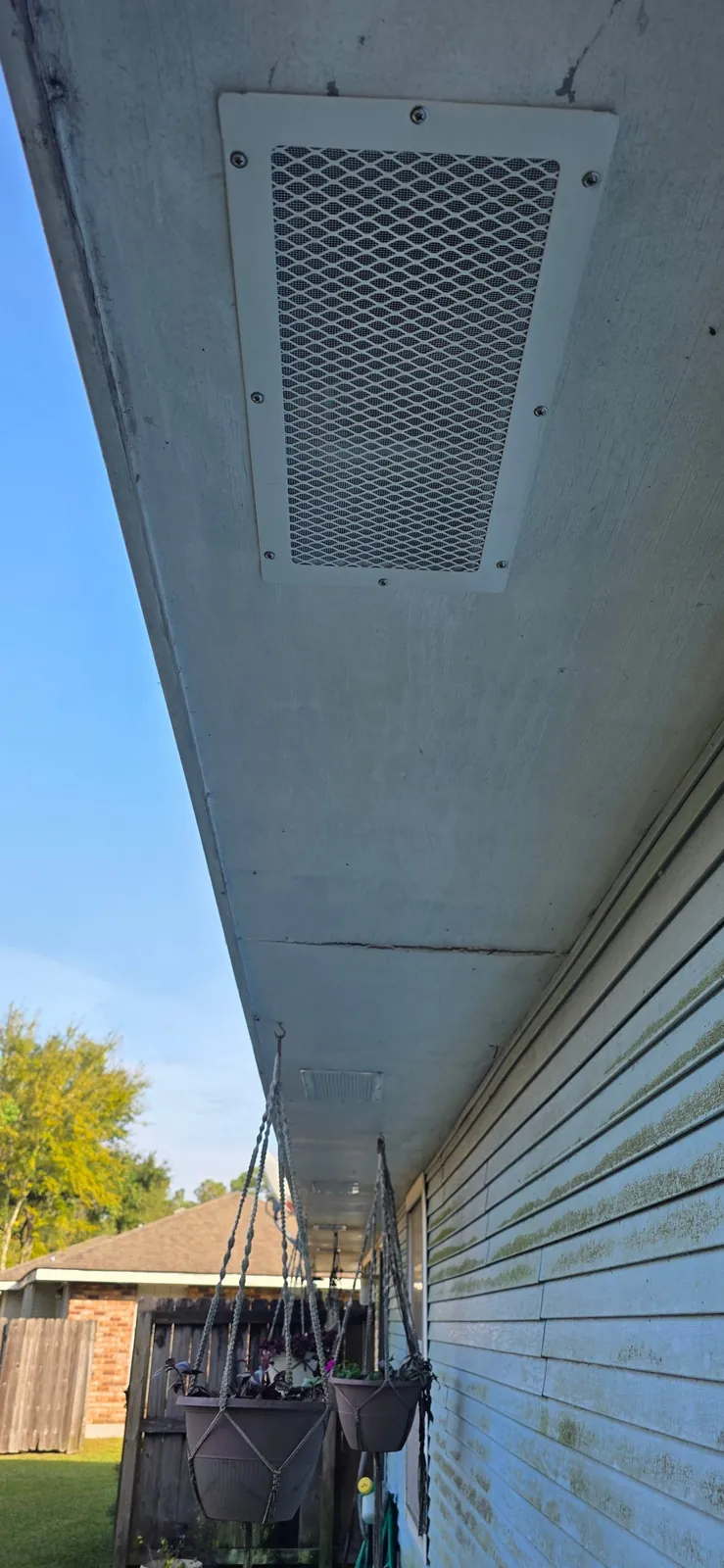
Gable vents screened against bats, birds and squirrels.
Weep Holes
Weep hole shields that keep rodents out while letting the wall breathe.
AC Lines & Pipe Gaps
Openings around AC pipes and other two-inch gaps sealed.
Crawlspaces
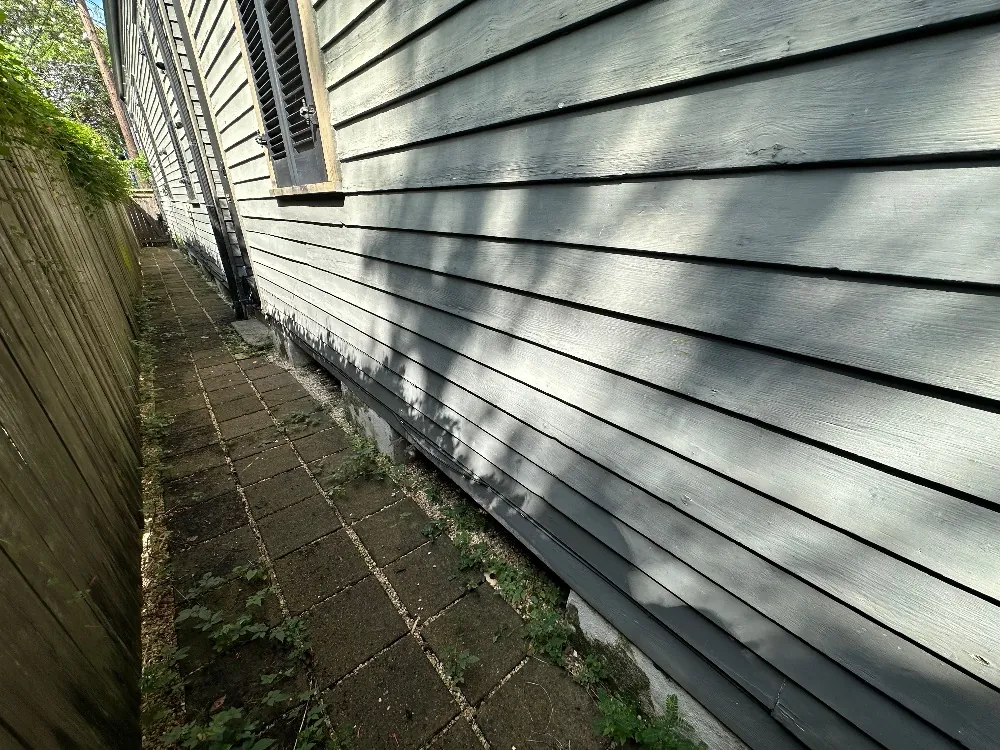
Crawlspace shielding for raised homes, a common spot for opossums, armadillos and rats.
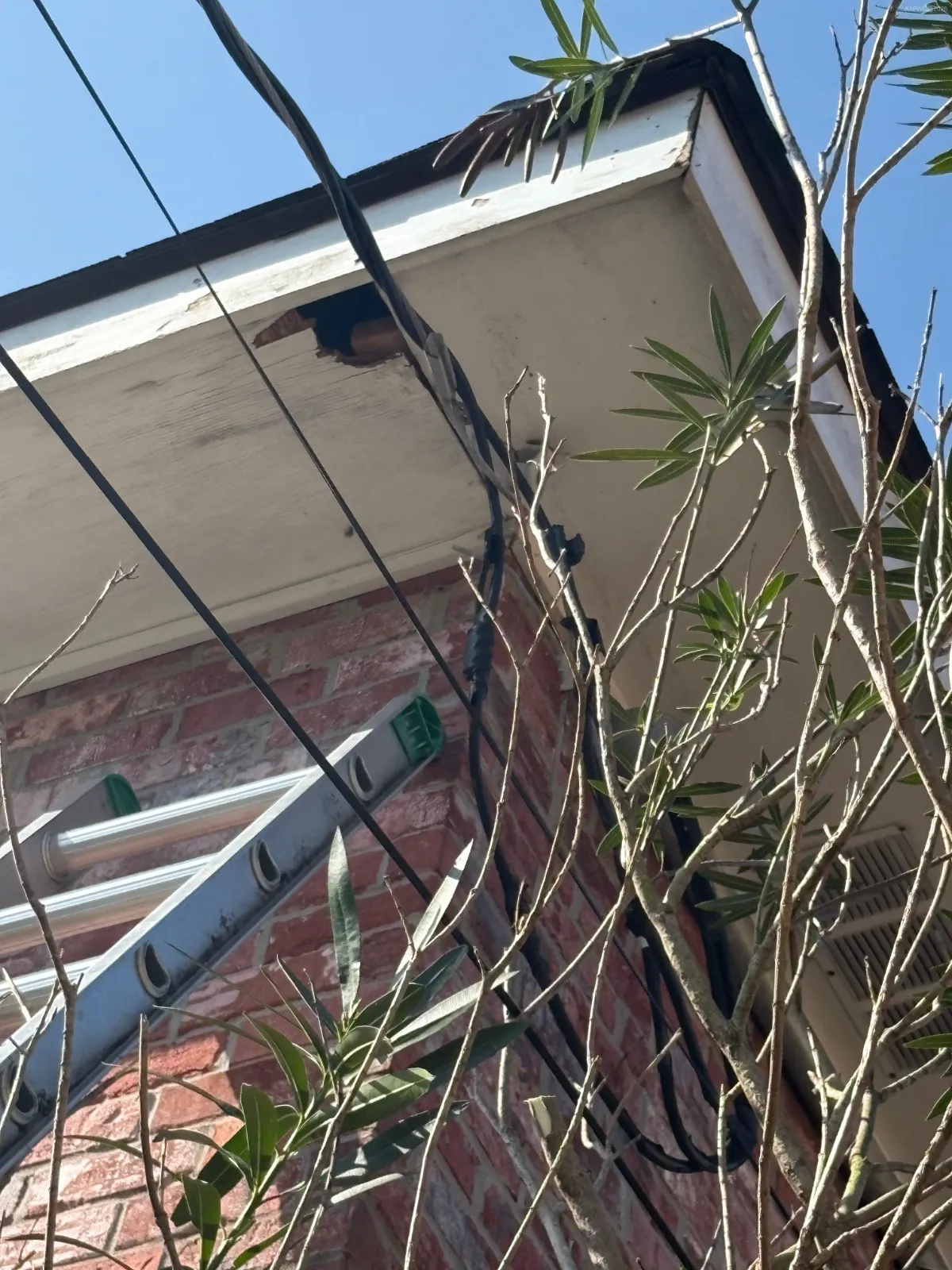
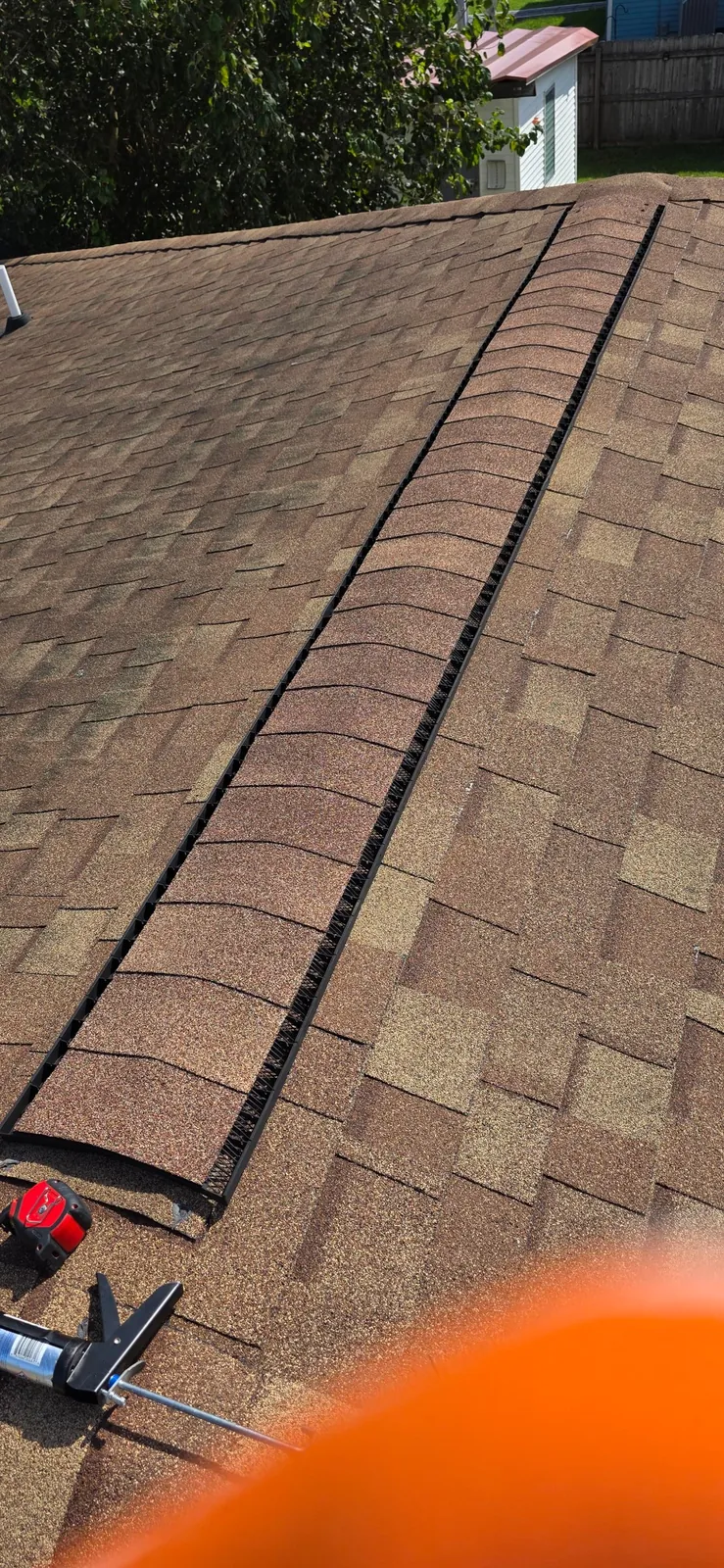
Before: a squirrel entry point at the roofline.
After: the soffit sealed so it can’t happen again.
Real exclusion jobs
Before & After: How We Seal Them Out
Photos from real jobs. These are the openings animals use, and how we close them for good.
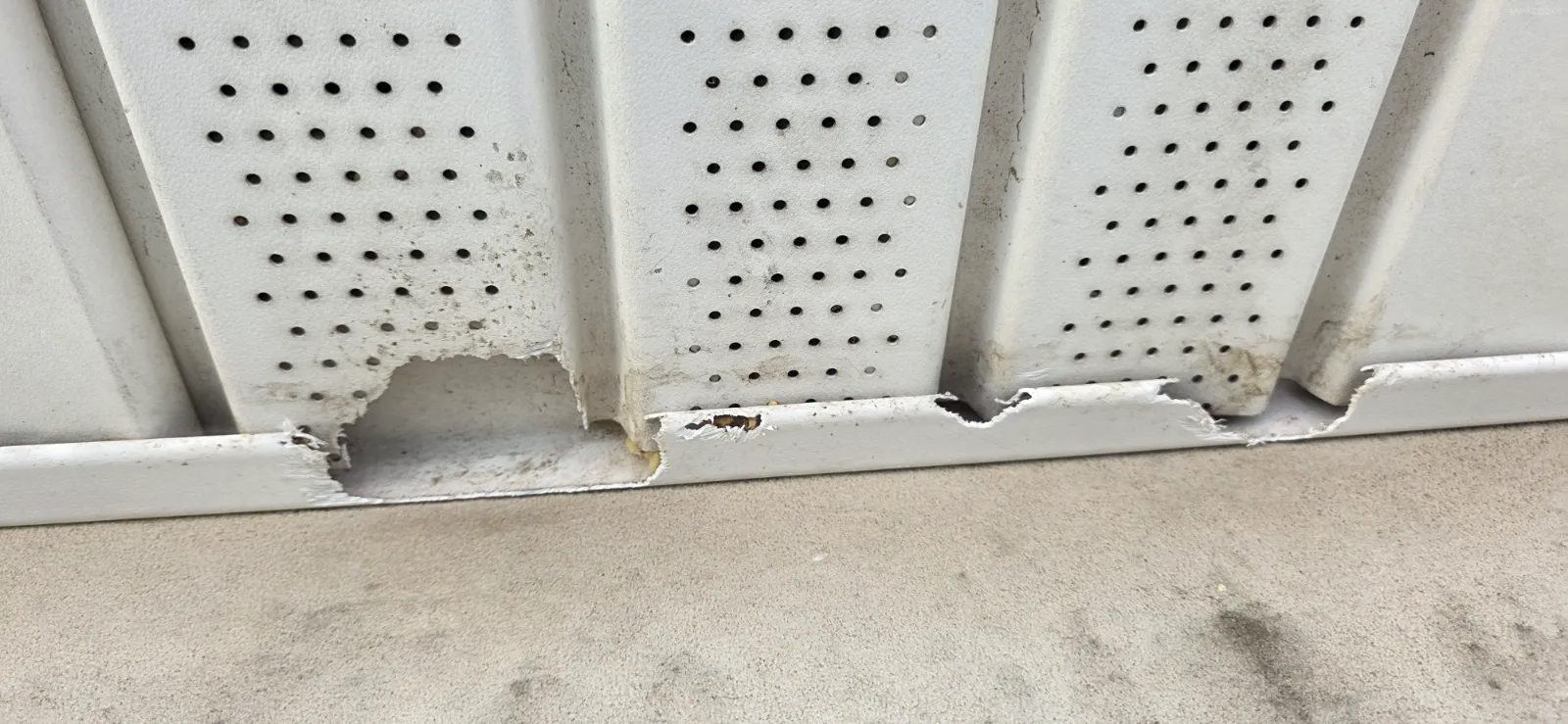
Before What we found
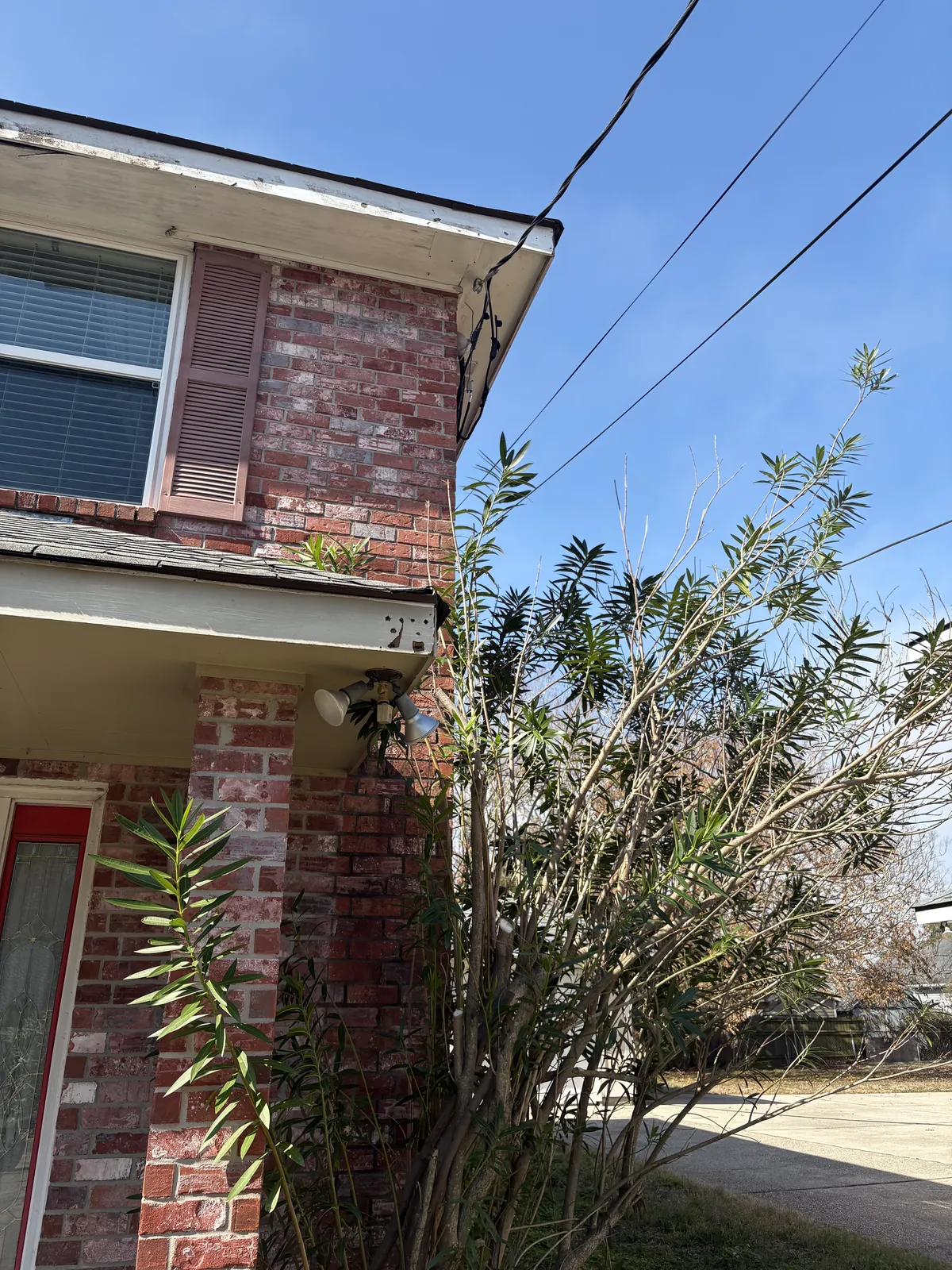
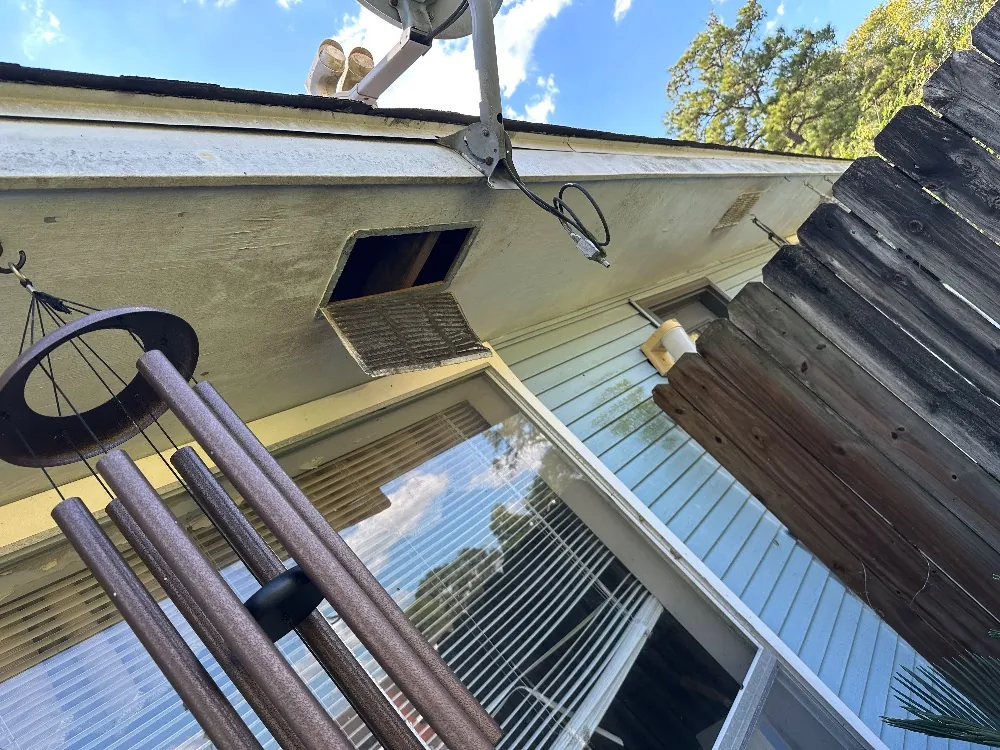
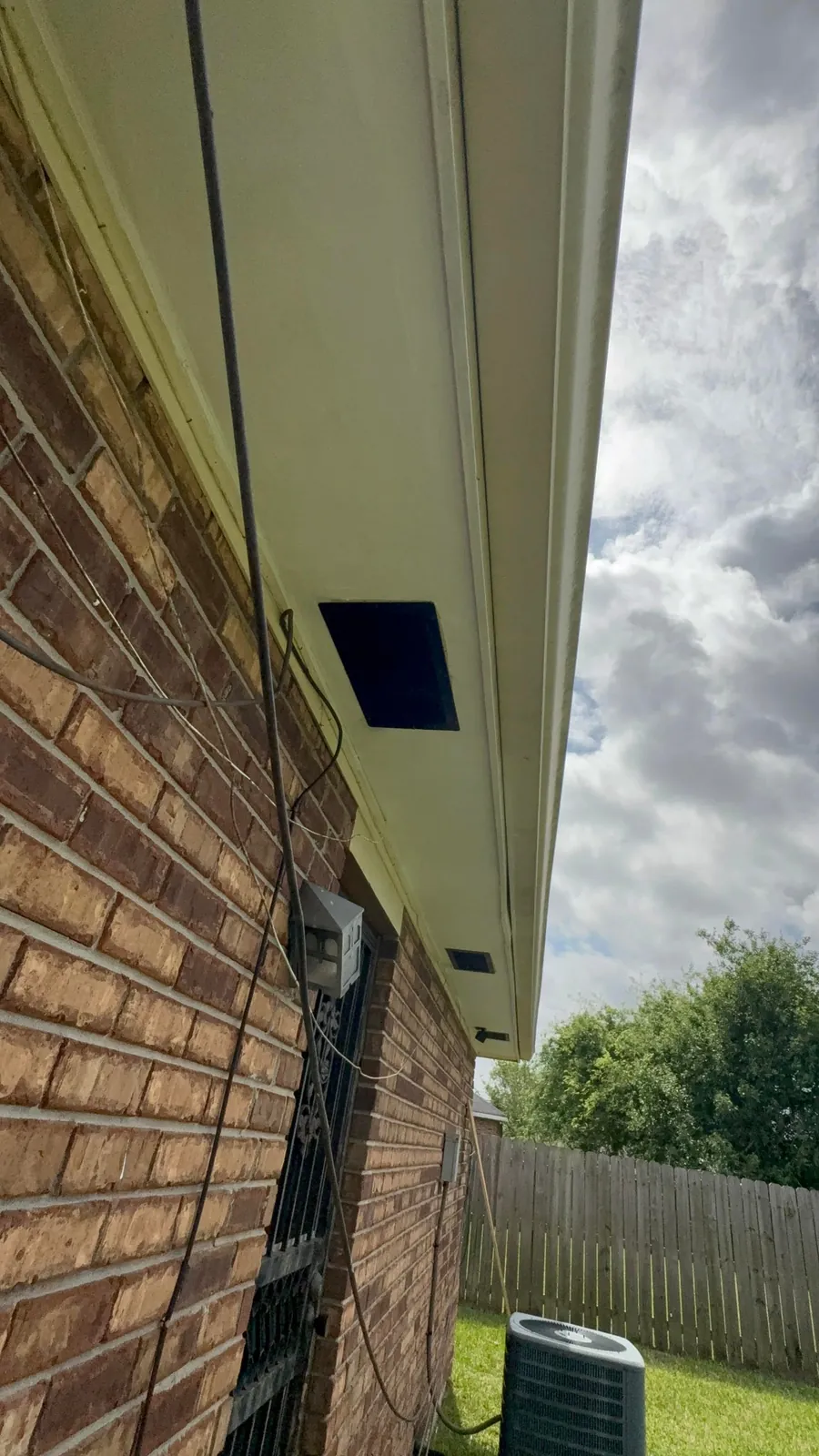
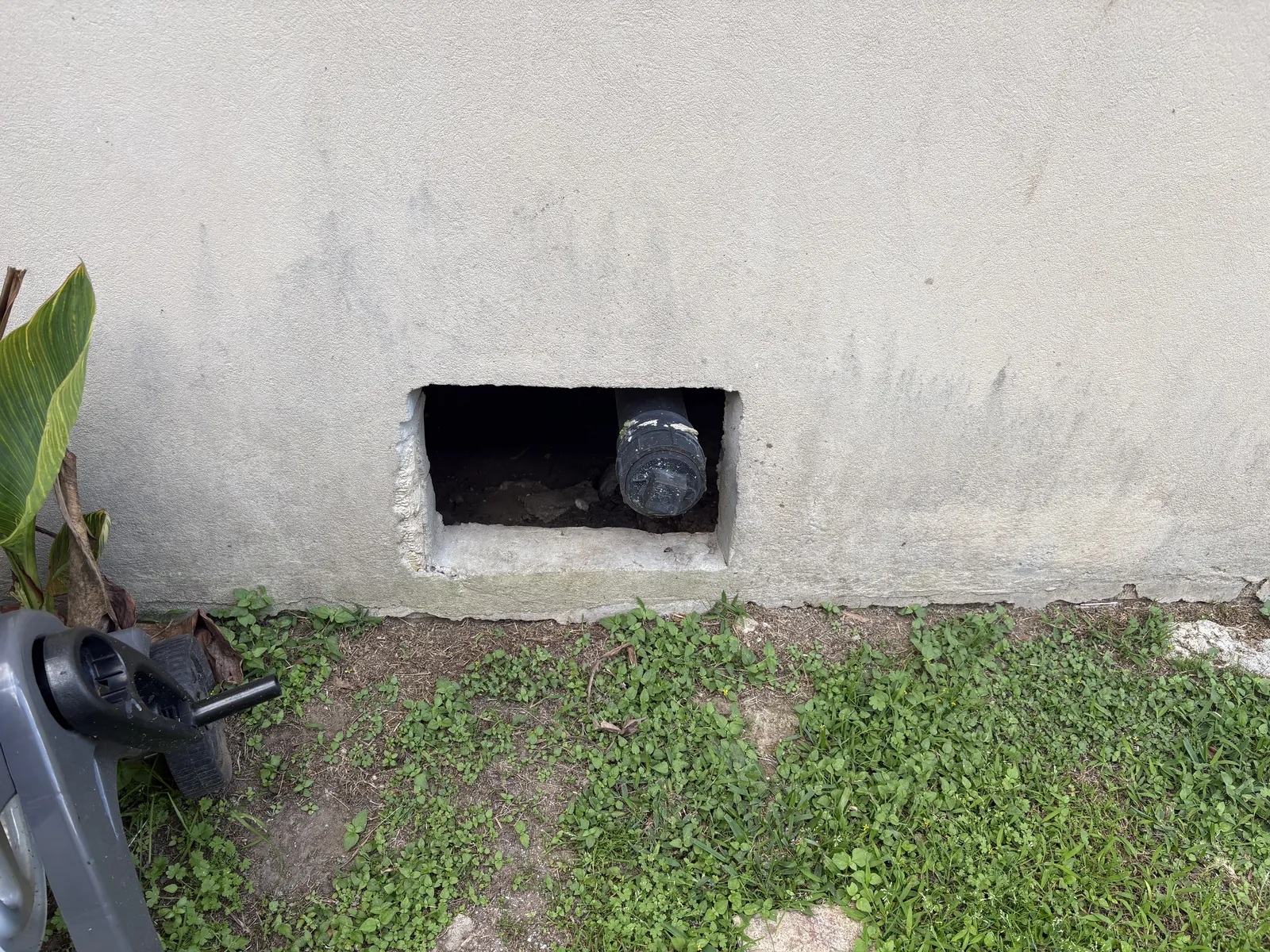
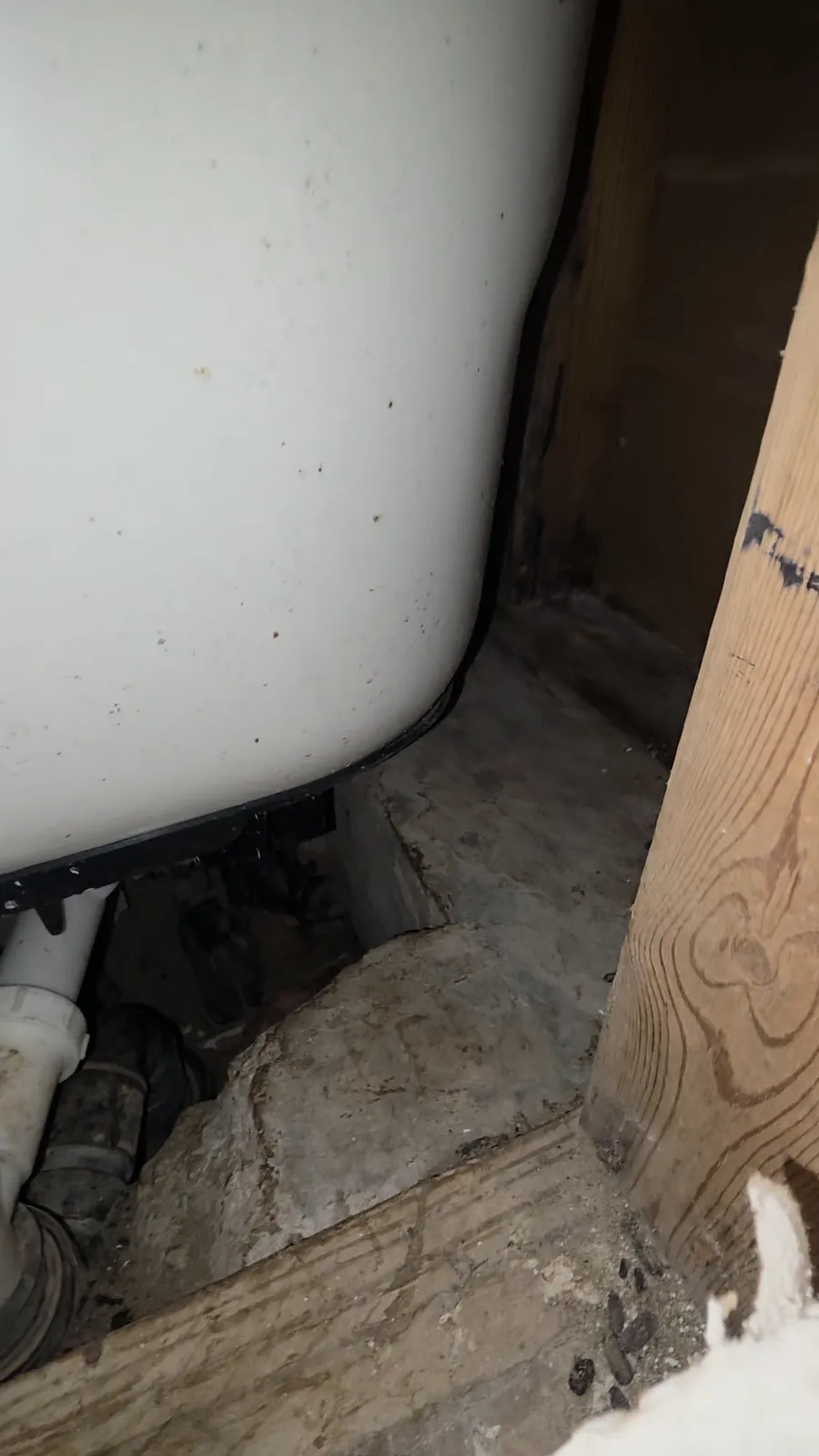
After How we sealed it
Swipe for more →
Exclusion pricing depends on the package and how many entry points your home has. You'll get a written scope after the inspection. Bigger project? Financing through Wisetack lets qualified customers pay over time.
What's the difference between wildlife removal and exclusion?
Removal gets the animal out. Exclusion seals the entry points so the next one can't get in. You need both for the problem to stay solved.
Which exclusion package do I need?
It depends on how many entry points your home has. Base seals the active entry points, Tactical adds the high-risk areas around the home, and Eagle Mode covers the whole structure. We'll recommend one after the inspection.
What materials do you use?
Professional-grade exclusion materials built for Louisiana heat and humidity, including gutter guards, weep hole shields, gable vent screening, corrugated exclusion strips and reinforced soffit returns.
Is there a warranty on exclusion work?
Extended warranty options are available with Eagle Mode, and an annual ExclusionShield protection plan keeps your coverage going. Details are in your service plan.
Can you seal the house while animals are still inside?
We don't trap animals inside. One-way exit doors or bat valves let them leave first, then we seal the opening.
Do you exclude rodents too?
Yes. Roof rats and mice use the same gaps as larger animals, so sealing those openings is a big part of long-term rodent control.
Spread Your Wings. Protect Your Nest.
Same-day service in many areas. No long-term contracts. A local team that picks up the phone.