
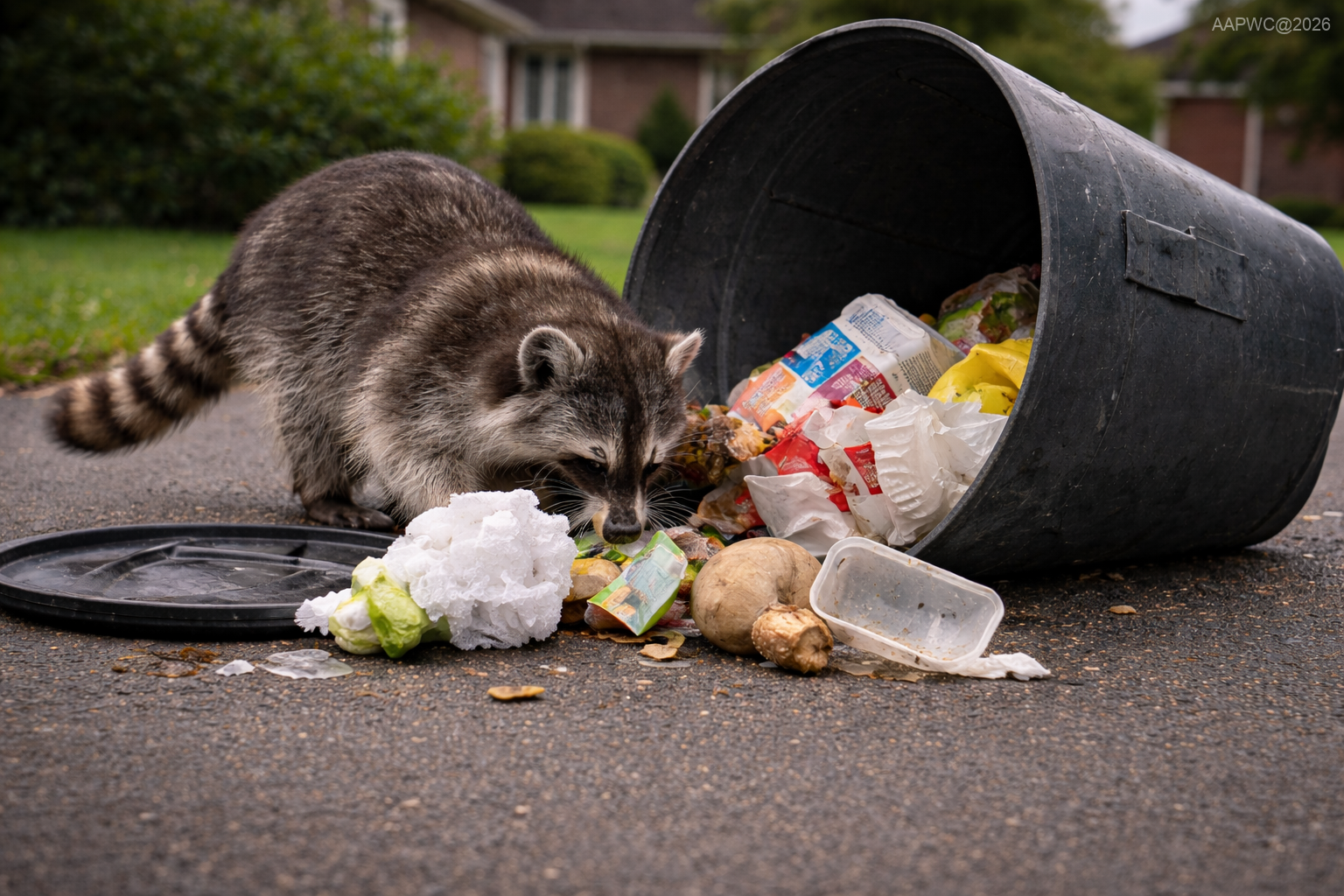

Raccoon Removal in Louisiana
Raccoon Removal in Louisiana is essential when raccoons begin thumping, scratching, tearing, and denning inside your attic, chimney, roofline, soffits, crawlspace, or under-deck areas.
Without professional raccoon control and strong exclusion work, raccoons often keep returning to the same vulnerable area, expanding damage, contaminating insulation, and turning one wildlife issue into a repeat structural problem.

Same-day service available
About Racoon Removal in Louisiana
Raccoon Removal in Louisiana starts with understanding that raccoons are not just nighttime visitors wandering across the roof. Once a raccoon begins using a home as a den, the problem shifts from occasional wildlife activity to an active property-damage issue. Raccoons are powerful, intelligent, highly adaptable animals that can pull at soffits, widen weak roofline openings, force access through vents, and use uncapped chimneys or loose fascia to get inside.

Signs of Raccoon Activity in Your Home
Common warning signs include:
- loud thumping or heavy movement in the attic at night
- scratching, dragging, or shifting sounds overhead
- raccoon droppings or latrine areas in the attic or near entry points
- visible soffit, fascia, vent, or chimney damage
- strong odor from attic, chimney, or crawlspace areas
- raccoons repeatedly seen on the roof after dark
- baby raccoon vocal sounds during spring denning periods
- recurring wildlife entry near the same upper structure opening
Why Racoons Get Into Homes So Easily
Raccoons thrive around residential properties because homes provide:
- quiet denning spaces
- elevated safety from predators
- sheltered attic voids
- dark chimney cavities
- protected crawlspaces and under-deck areas
- convenient food sources nearby
- easy roof access from limbs, fences, and structures
- warm places to raise young during breeding season
Professional Raccoon Control and Removal Options
- full exterior wildlife inspection
- identifying the active den or access point
- checking attic, chimney, crawlspace, or roofline activity
- humane removal planning
- baby raccoon and breeding-season assessment
- one-way exit or direct removal strategy where appropriate
- sealing and exclusion repairs
- cleanup guidance for contaminated areas
- prevention recommendations to reduce repeat entry

Raccoon jobs are rarely solved by cosmetic patching or waiting the problem out. Prompt removal is recommended once raccoons are actively living in or around a home because of the amount of damage and safety risk they can create.
Timing matters, especially when a female has young. In Louisiana, raccoons commonly mate from December through March, with young often born in late April or early May, so a professional inspection helps prevent separating a mother from her litter or sealing babies inside the structure
Raccoon Damage, Safety Risks, and Home Protection
Raccoon infestations can create serious property concerns including:
- torn or crushed insulation
- raccoon droppings and latrine contamination
- odor buildup in attic or chimney voids
- stained ceilings from urine or debris
- damaged soffits, fascia, vents, or shingles
- chewed or disturbed wiring and ductwork
- ruined storage items in attic spaces
- recurring structural entry damage
- contamination that requires careful cleanup
- higher repair costs when the issue is ignored
Raccoons Running Overhead? Hearing Heavy Noise in the Attic at Night?
Same-day service available

Why Professional Raccoon Removal Matters
Professional Raccoon Removal in Louisiana provides:
- species-specific identification
- attic and chimney-focused inspection
- safe den assessment
- breeding-season awareness
- humane removal planning
- strong exclusion recommendations
- reduced reentry risk
- cleanup guidance for contaminated areas
- better long-term protection for the home
Raccoon Removal Across Southeast Louisiana
We proudly serve:
- Slidell, La
- Pearl River, La
- Lacombe, La
- Mandeville, La
- Covington, La
- Madisonville, La
- Abita Springs, La
- Folsom, La
- Bush, La
- New Orleans, La
- and surrounding areas
View our full Service Area

FAQ Raccoon Removal in Louisiana
How do I know if I have raccoons in my attic?
Raccoons usually sound heavier than squirrels, so homeowners often hear loud thumping, dragging, or strong movement at night. You may also notice odor, droppings, damaged soffits, or repeated raccoon activity near the roofline.
What does a raccoon in the attic sound like?
Most people describe it as heavy footsteps, rolling, scratching, or something bumping around overhead after dark. If babies are present, you may also hear chattering, crying, or whining noises.
Are raccoons dangerous in the attic?
They can be dangerous because they create structural damage, contamination, and sanitation concerns inside the home. Raccoons are also associated with rabies and raccoon roundworm, so direct handling and waste exposure should be avoided.
What damage can raccoons cause in a house?
Raccoons can tear soffits, damage fascia, pull apart vents, crush insulation, and leave droppings in attics and chimneys. Over time they can also stain ceilings, create odor problems, and worsen existing structural weak points.
How do raccoons get into attics?
They often enter through weak roofline areas, attic vents, soffits, fascia gaps, chimney openings, or damaged shingles.
Can raccoons get in through the chimney?
Yes, uncapped chimneys are a well-known raccoon den site, especially for females looking for a protected place to raise young. A properly secured chimney cap is one of the best long-term prevention upgrades.
Why do raccoons keep coming back after removal?
They usually come back because the original entry point or a nearby secondary opening was not fully secured. Removal without true exclusion often leaves the home open for repeat denning.
What time of year do raccoons get into attics?
Raccoon attic issues can happen year-round, but many calls increase during breeding and denning periods. In Louisiana, mating commonly occurs from December through March, and young are often born in late April or early May.
Can raccoons have babies in the attic?
Yes, attics and chimneys are common denning locations for female raccoons with young. That is why removal timing and inspection matter so much before sealing entry points.
Will raccoons leave on their own?
Sometimes they move on, but relying on that is risky when they have already established a den site. If the opening stays available, the same raccoon or another one may return.
Raccoon Control Education & Resources

How to Tell if You Have a Raccoon in Your Attic?
When raccoons enter your attic or roofline, fast action matters. Our team provides same-day raccoon removal services in Slidell, Louisiana and New Orleans, helping homeowners quickly stop attic damage, noise, and contamination caused by nuisance wildlife. All American Pest & Wildlife Control specializes in safe raccoon trapping, attic inspections, and entry-point sealing to prevent raccoons from returning. We proudly provide raccoon removal throughout Southeast Louisiana, including Slidell, New Orleans, Covington, Mandeville, Madisonville, Abita Springs, Lacombe, Pearl River, Bush, Folsom, Ponchatoula, Hammond, Metairie, Kenner, Chalmette, and surrounding St. Tammany Parish and Greater New Orleans communities. Our goal is simple: respond quickly, remove the raccoons safely, and restore peace and quiet to your home the same day whenever possible. Get Raccoon Removal in Louisiana Today with AAPWC
raccoon removal in Louisiana -raccoon removal in Louisiana -raccoon removal in Louisiana